Plenary Speakers
- Prof. Shuzi Hayase

- Info-Poewered- Energy System Research Center, The University of Electro-Communications, Japan
- Title "Post lead halide perovskite solar cell research"
- Profile: Shuzi Hayase graduated from Osaka University in 1976 and received Ph.D from Osaka University in 1983.
He joined R&D Center in Toshiba Corporation from 1978 to 2000. He was a professor at Kyushu Institute of Technology (KIT) from 2001 to 2019.
From 2009 to 2017, he was a Supervisor of PRESTO project (JST), “Photoenergy conversion systems and materials for the next generation solar cells “.
Since 2019, he is now a professor at The University of Electro-Communications (UEC).
He received Innovative PV award (2024) and Hamakawa Award from Japan Solar Energy Society(2022), fellowship of The Society of Polymer Science, Japan, in 2020.
(https://iperc.hayase-lab.jp/en/profile_eng/)
- Prof. Rostyslav Bilyy

- Institute of Cellular Biology and Pathology "Nicolae Simionescu", Bucharest, Romania
& Lectinotest R&D, Bucharest, Romania & Lviv, Ukraine
- Title "Advanced NIR Probes for Multi-Scale Inflammation Imaging: From Cellular Mechanisms to Systemic Dynamics"
- Profile: Rostyslav Bilyy, Prof, DrSci. is Project Director for project HeartCure.eu at Institute of Cellular Biology and Pathology "Nicolae Simionescu", 8 B.P.Hasdeu Str, Bucharest, Romania and Professor of Cytology, Histology & Embryology at Danylo Halytsky Lviv National Medical University, Pekarska Str. 69, 79010, Lviv, Ukraine. He is CEO & Co-founder of Lectinotest R&D.
Rostyslav has co-authored over 150 peer-reviewed publications, 20 US and international patents, UA patents and patent applications. Rostyslav'S research is dedicated to the study of cell surface changes during cells death and it's implication in various proceses such as immune and autoimmune response, nanoparticle interaction will cells and living matter, neutrophil extracellular trap formation and their role in pathologies. He is a pioneer in the use of near-infrared probes targeting neutrophils-specific markers for the in vivo detection of inflammatory processes.
Invited Speakers
- Prof. Hiroyuki Yoshida
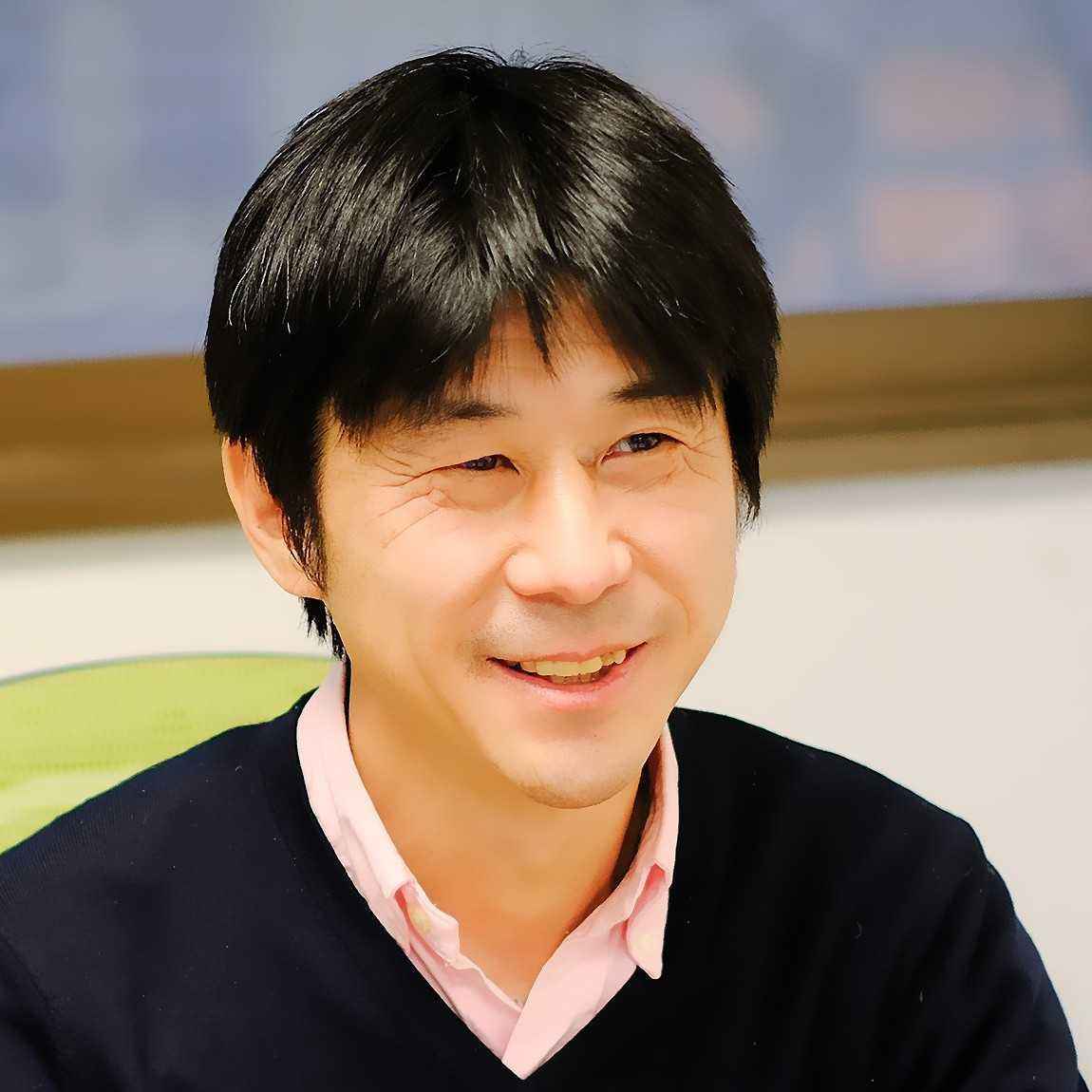
- Chiba University, Japan
- Title "Why is the electron mobility of organic semiconductors lower than the hole mobility?"
- Profile: Hiroyuki Yoshida is a professor at Chiba University, Japan (2015-present).
He received his Ph.D. in 1995 from the University of Tokyo and joined the Laboratoire Aimé Cotton, CNRS in France.
He served as a research associate (1996-2007) and assistant professor (2007-2015) at the Institute of Chemical Research at Kyoto University.
Additionally, he was a researcher in the Japan Science and Technology Agency's PRESTO program (2009-2013).
His research interests encompass both occupied and unoccupied electronic states of organic semiconductors and halide perovskites.
Particularly noteworthy is his recent development of low-energy inverse photoelectron spectroscopy,
recognized as a standard method for investigating unoccupied states and is now used worldwide.
In recognition of this achievement, he was awarded the 12th Publication Award by M&BE, Japanese Society of Applied Physics,
and the 8th Outstanding Achievement Award by the Organic EL Forum.
- Prof. Ching-Ming Hsu
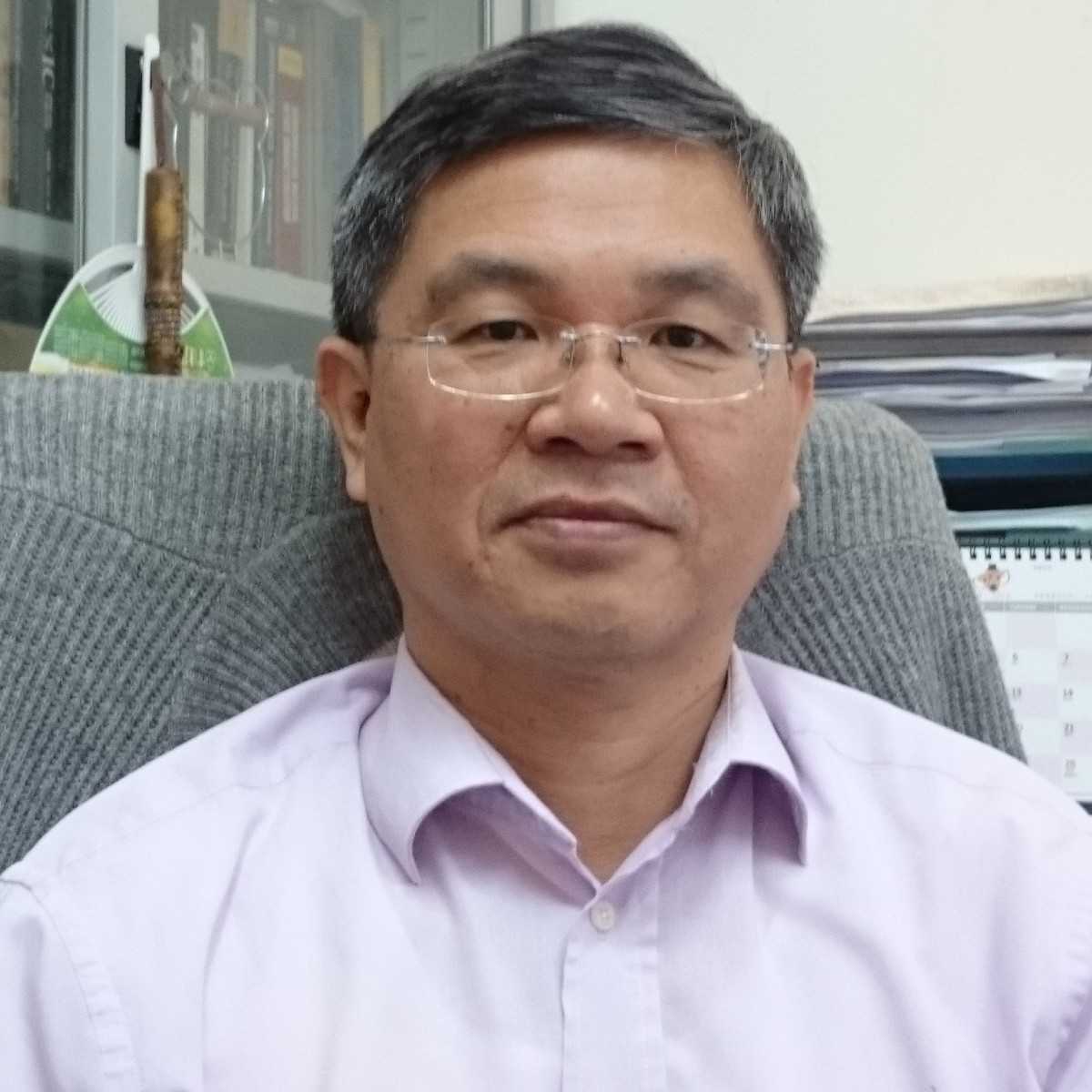
- Department of Semiconductor and Opto-Electrical Engineering, Southern Taiwan University of Science and Technology
- Title "Stress Modulated Flexible Oxide Electrode and Water Vapor Transmission Observation of Cracked Oxides"
- Prof. Ching-Ming Hsu received his Ph.D. degree of Material Engineering from Imperial College, London in 1996.
After 3-year work in the industrial sector, he started his research career at southern Taiwan university of science and technology in 1999, basically in the field of organic electronics, especially working on the transparent conducting oxides and the Ca-test technology for flexible electronic applications.
Recently he developed a commercially applicable Ca-test mechanism that allows to measure WVTR of a gas barrier film down to the level of 1x10⁻⁶ g/m2/day.
- Prof. Mrituanjay D. Pandey

- Department of Chemistry, Institute of Science, Banaras Hindu University, Varanasi-221005, India.
- Title "Bio-inspired materials for chiroptical applications"
- Profile: Prof. Mrituanjay D. Pandey is a Professor of Chemistry at Institute of Science, BHU Varanasi.
He received a PhD in Chemistry from the University of Allahabad. Prof. Pandey completed a successful research stay at IIT Delhi, IIT Kanpur, and UJI Castellon, Spain.
He was an Assistant Professor of Chemistry at Dr. Harisingh Gour University, Sagar, and an Assistant Professor (Adhoc) of Chemistry at the University of Delhi.
His research interests are Bio-inspired Sustainable (Chiroptical) Molecular Design for Sensing, Catalysis, Energy, and Biomedical Applications.
Prof. Pandey is fellow Royal Society of Chemistry (FRSC), London, UK.
- Prof. Sudip Mukherjee

- School of Biomedical Engineering, IIT (BHU), Varanasi, India.
- Title "Fabrication of ion conducting lithium aluminate for liver regenerative applications"
- Profile: Sudip Mukherjee, Ph.D., MRSC, is an Assistant Professor of School of Biomedical Engineering at the Indian Institute of Technology, BHU (IIT BHU).
Dr. Mukherjee completed his Ph.D. from CSIR-IICT, Hyderabad in 2017, following which he worked at Rice University, Houston till 2022 as a postdoctoral research associate.
His research interests include the development of advanced biomaterials for cell therapy and drug/gene delivery
in various rare genetic disorders, fibrosis, tissue regeneration, cancer theranostics, and other inflammatory diseases.
He has published over 85 publications and has 26 US/INDIAN patents filed/granted.
Dr. Mukherjee has published 6 books with reputed publishers (Springer, IOP, Elsevier etc).
Multiple technologies (LOCOcyte) are licensed and have been part of cell engineering-based therapies that are currently under clinical trials (Phase I/II) for advanced peritoneal cancers.
Dr. Mukherjee received several awards including Houston Methodist-Rice University travel grant, Sakura Exchange Visiting grant, KVRAO young scientist award, multiple best poster awards etc.
Dr. Mukherjee serves as an Associate Editor for BMC Cancer and Frontiers in Chemistry and a member of Royal Society of Chemistry (RSC), UK; American Chemical Society (ACS), USA and Society for Biomaterials and Artificial Organs, India.
- Prof. Pipat Ruankham

- Department of Physics and Materials, Chiang Mai University, Thailand
- Title "Engineering Electron Transport Layers for Efficient and Stable Carbon-Based Perovskite Solar Cells"
- Profile: Dr. Pipat Ruankham is an Associate Professor at Chiang Mai University, Thailand,
specializing in nanotechnology, thin films, and photovoltaics. He received his Doctor of Energy Science from Kyoto University, Japan, in 2014.
His research focuses on developing affordable and durable photovoltaic technologies, especially perovskite solar cells with carbon electrodes.
Dr. Ruankham has published over 90 peer-reviewed papers and actively collaborates with international partners to advance materials innovation for sustainable energy.
Website: http://www.physmats.science.cmu.ac.th/scrl/index.php
- Prof. Takashi Ikuno

- Tokyo University of Science, Japan
- Title "Dye-sensitized solar cell-based optoelectronic synapses for physical reservoir computing"
- Profile: Takashi Ikuno is an Associate Professor at Tokyo University of Science. His research focuses on low-dimensional nanomaterials, energy conversion devices, and optoelectronic devices. He is particularly interested in the fusion of device physics and neuromorphic computing. He has recently developed self-powered synaptic devices using dye-sensitized solar cells (DSCs) for low-power edge AI sensing, aiming to realize physical reservoir computing (PRC) with novel material systems. More details can be found at: https://www.rs.tus.ac.jp/tikuno/
- Prof. Mutsumi Kimura

- Faculty of Textile Science and Technology, Shinshu University, Japan
- Title "Fabrication of Multifunctional wearable devices using electronic fibers"
- Profile: Mutsumi Kimura is a full professor of Faculty of Textile Science and Technology at Shinshu University in Ueda. Professor Kimura obtained his Bachelor degree in Agriculture (1990) at Tsukuba University and his master degree in Environmental Science (1992) at Tsukuba University. He received his doctor degree in Engineering (1995) at Shinshu University under the supervision of Prof. Hirofusa Shirai studying artificial models of natural metalloenzymes. He became Research Associate in 1995 and Associate Professor in 2003 at the Faculty of Textile Science and Technology of Shinshu University. He was selected to be a PRESTO researcher at the Japan Science and Technology Agency from 2001 to 2005. He worked with Prof. Minoru Taya of University of Washington in 2009 as a visiting scientist. In 2013, he became Professor at the Faculty of Textile Science and Technology of Shinshu University. From 2013, he became a co-PI of Aqua Innovation center of Shinshu University. And he became a PI of Research Initiative for Supra-Materials (RISM) in Interdisciplinary Cluster for Cutting Edge Research (ICCER) from 2019. He received the Award of The Society of Fiber Science and Technology, Japan in 2013.
Prof. Kimura works on developing new functional organic and inorganic nanomaterials having catalytic, energy conversion, and molecular sensing functions.
He also investigated on the hybridaization of these nanomaterials with fibers and nanofibers to realize smart textile devices.
- Prof. Toshihiko Ishiyama

- Hachinohe Institute of Technology, Hachinohe, Japan
- Title "Harvesting and Conversion of Environmental Energy for Powering IoT Devices"
- Profile: Toshihiko Ishiyama is a Professor with the Department of Electrical and Electronics Systems, Hachinohe Institute of Technology, Japan.
He received his Bachelor's degree in Physics in 1985 at Tohoku University, Japan. He also received Ph.D. degree in electronics in 2003 at Shizuoka University, Japan.
He joined Nippon Telegraph and Telephone’s laboratory, Japan, in 1987. He studied device technology in the nanometer range as a researcher in a company.
He joined Hachinohe Institute of Technology in 2014. His research themes are power electronics, power devices, renewable energy and energy harvesting.
He is currently an associate editor for the journal of IEICE Electronics Express (ELEX) .
- Prof. Yutaka Noguchi

- Department of Electronics and Bioinformatics, School of Science & Technology, Meiji University, Japan
- Title "Controlling charge accumulation for improved performance in organic light-emitting diodes"
- Profile: Yutaka Noguchi received his Doctor of Engineering degree in 2004 from the Department of Physical Electronics at Tokyo Institute of Technology.
He worked as a postdoctoral researcher at the National Institute of Information and Communications Technology, followed by a position as Assistant Professor at Chiba University.
He joined Meiji University as an Associate Professor in 2014 and has been a Professor since 2023. His current research focuses on the physical properties of organic semiconductor devices,
particularly the charge carrier dynamics in organic light-emitting diodes.
- Prof. Shiyoshi Yokoyama

- Nano Scal Evaluation,Division of Advanced Device Materials, Institute for Materials Chemistry and Engneering, Kyushu University, Japan
- Title "Material-Inspired High-Speed Modulators for 200+ Gbaud Communications"
- Profile:
Shiyoshi Yokoyama is a professor in Institute of Materials Chemistry and Engineering (IMCE) at Kyushu University.
He was studied at Tokyo Institute of Technology and received Doctor of Engineering in 1994.
His main research interests are in the development of nonliner-optical materials and optical devices.
After receiving his degree, he moved to National Institute for Information and Communications Technology (NICT),
where he started research on polymer photonics for the optical fiber communications. In 2007 he moved to IMCE as a professor, where he focuses on the challenges for the electro-optic waveguide devices using efficient polymers and crystals.
- Prof. Hao-Wu Lin
- Department of Materials Science and Engineering, National Tsing Hua University, HsinChu, Taiwan
- Title "Halide Perovskite Quantum Dots for Quantum Emitter Applications"
- Profile: Hao-Wu Lin graduated from National Taiwan University in 2002 with a bachelor degree in electrical engineering.
He received his Ph.D. degree from graduate institute of photonics and optoelectronics, National Taiwan University in 2007. After his Ph.D. study and military service,
he joined AU Optronics Corp. for research and development on organic light emitting displays.
In 2009, he joined the faculty of National Tsing-Hua University in the department of materials science and engineering
and now act as a full professor and the group leader of advanced optoelectronic materials laboratory (AOML, http://mx.nthu.edu.tw/~hwlin/).
His current research interests include organic and halide perovskite semiconductors for optoelectronic and electronic devices,
next-generation photovoltaics, flat panel displays, quantum emitters, hardware-based neuromorphic computing, and nano science and technologies.
- Prof. Vipul Singh

- Molecular and Nanoelectronics Research Group, Department of Electrical Engineering, Indian Institute of Technology Indore, India
- Title "Conjugated Polymer Based Organic Photosensitive Devices: From UV to NIR"
- Profile: Prof. Vipul Singh received his Bachelor of Engineering degree from Delhi College of Engineering,
India in the year 2003. He later moved to Graduate School of Life Sciences and Systems Engineering,
Kyushu Institute of Technology, Japan to pursue his Master’s and PhD degrees and was awarded a PhD degree in the year 2009.
His doctoral research work focused on interface related studies in Organic electronic devices.
He then moved to Shizuoka University, Hamamatsu, Japan to work as a Postdoctoral fellow, where he worked on Silicon nanodevice based Single Electron Transistors.
In November 2010, he joined as Assistant professor in Department of Electrical Engineering at IIT Indore.
He later became Associate professor in 2016 and finally Professor in the year 2022.
His research interests include Organic electronics, Optoelectronics, Silicon Nanodevices and research and development of semiconductor-based Bio/gas sensors.
He has guided twelve PhD students and eleven postgraduate students.
He has more than 115 peer reviewed international journal publications to his credit and 121 conference proceeding papers published till date.
He has several externally funded research projects to his credit as well.
